



Elk Electric Vehicles vs Traditional Tow Methods: Full Comparison
Introduction
Material handling in orchards, construction sites, and industrial environments has traditionally relied on manual labor, tractors, or diesel-powered tow equipment. While these methods have been widely used for decades, they come with limitations in efficiency, safety, maneuverability, and environmental impact.
The rise of Elk Electric Vehicles introduces a modern alternative—purpose-built electric track carriers designed to handle difficult terrain while improving operator safety and productivity. In this comprehensive comparison, we’ll evaluate how Elk Electric Vehicles stack up against traditional tow methods across key performance areas including efficiency, safety, terrain capability, cost, and operational flexibility.
What Are Elk Electric Vehicles?
Elk Electric Vehicles are pedestrian-controlled electric track carriers engineered for demanding environments such as orchards, agricultural operations, and industrial maintenance zones. Unlike wheeled tugs or manual carts, these machines utilize caterpillar track systems for superior traction and stability.
Key Models Overview
ELK-H150 Electric Track Carrier
- Capacity: 150 kg
- Motor: 24V DC / 1600W (dual motor configuration)
- Cargo Size: 1650L x 1100W mm
- Speed: Up to 2.9 km/h forward
- Control: Remote or manual
ELK-J500 Electric Track Carrier
- Capacity: 200 kg (including operator)
- Motor: 24V DC / 1500W
- Cargo Size: 1200L x 1060W x 200H mm
- Operating Time: 8–10 hours
- Control: Remote or manual
ELK-J250 Electric Track Carrier
- Capacity: 150 kg (including operator)
- Motor: 24V DC / 600W
- Cargo Size: 965L x 835W x 100H mm
- Max Gradient: 37%
- Control: Remote or manual
All models are designed with heavy-duty frames, zero-emission electric systems, and high-efficiency power usage, making them ideal for continuous operation in sensitive environments.
What Are Traditional Tow Methods?
Traditional tow methods typically include:
- Manual carts and wheelbarrows
- Tractor-towed trailers
- Diesel or petrol-powered utility vehicles
- Basic wheeled tugs
While these methods are still widely used, they often rely heavily on operator effort or combustion engines, which introduces inefficiencies and safety risks.
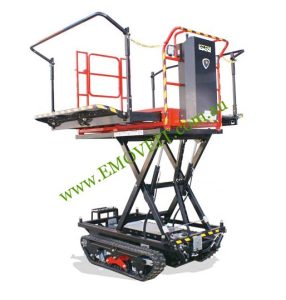
1. Terrain Performance: Tracks vs Wheels
One of the most significant differences between Elk Electric Vehicles and traditional tow methods is terrain capability.
Elk Electric Vehicles
- Caterpillar tracks distribute weight evenly
- Excellent traction on mud, sand, slopes, and uneven ground
- Suitable for orchards, hilly landscapes, and construction sites
- Stable operation in confined or narrow paths
Traditional Tow Methods
- Wheels struggle on soft or uneven terrain
- Higher risk of slipping or getting stuck
- Limited use on steep gradients or wet ground
- Reduced control in tight spaces
Verdict: Elk Electric Vehicles clearly outperform traditional methods in challenging terrain conditions. Their tracked propulsion system ensures consistent performance where wheeled equipment fails.
2. Efficiency and Productivity
Efficiency is critical in environments where repetitive transport tasks are required.
Elk Electric Vehicles
- Dual motor systems provide consistent power delivery
- Remote control capability reduces operator fatigue
- Faster material movement in confined areas
- Minimal downtime with efficient battery systems
Traditional Tow Methods
- Manual handling slows down operations
- Requires more labor for repetitive tasks
- Fuel-powered machines require refueling and maintenance
- Less efficient in stop-start workflows
Verdict: Elk Vehicles significantly improve productivity by reducing manual effort and enabling faster, more controlled transport.
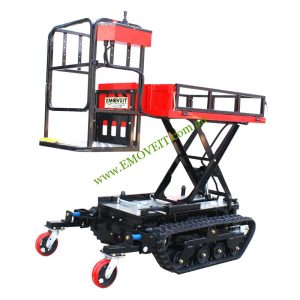
3. Safety and Operator Control
Safety is a major concern in any material handling environment.
Elk Electric Vehicles
- Pedestrian-controlled operation keeps operators at a safe distance
- Stable track design reduces tipping risk
- Smooth acceleration and braking
- Designed specifically with operator safety in mind
Traditional Tow Methods
- Higher risk of strain injuries from manual handling
- Increased likelihood of tipping on uneven ground
- Limited control when towing heavy loads downhill
- Exposure to engine noise and exhaust fumes
Verdict: Elk Electric Vehicles provide a safer working environment, particularly in uneven or high-risk terrains.
4. Environmental Impact
Sustainability is becoming increasingly important across all industries.
Elk Electric Vehicles
- 100% electric operation
- Zero hazardous exhaust emissions
- Quiet operation suitable for noise-sensitive environments
- Energy-efficient battery systems
Traditional Tow Methods
- Diesel and petrol engines produce emissions
- Noise pollution from combustion engines
- Higher carbon footprint
- Fuel dependency
Verdict: Elk Electric Vehicles are the clear choice for environmentally responsible operations.
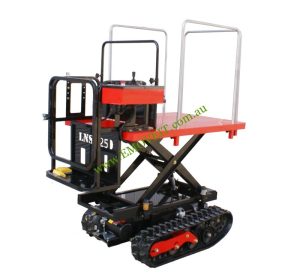
5. Application Versatility
The ability to adapt to multiple tasks is a key advantage in modern operations.
Elk Electric Vehicles
Designed for:
- Pruning and branch handling
- Cross-pollination and thinning
- Harvesting and fruit transport
- Carrying tools and materials
- Industrial maintenance and repair
Specialized use:
- Optimised for kiwi and pear orchards
- Suitable for short tree environments
- Effective in construction and restoration sites
Traditional Tow Methods
- General-purpose transport only
- Limited adaptability in specialized agricultural tasks
- Requires multiple tools or machines for different tasks
Verdict: Elk Electric Vehicles offer greater flexibility across both agricultural and industrial applications.
6. Cost Considerations
Cost evaluation must consider both upfront investment and long-term operational expenses.
Elk Electric Vehicles
- Higher initial investment compared to manual tools
- Lower operating costs (no fuel required)
- Reduced maintenance due to fewer moving parts
- Long battery life with efficient recharge systems
Traditional Tow Methods
- Lower upfront cost (manual equipment)
- Ongoing fuel expenses
- Higher maintenance costs for engines
- Increased labor costs over time
Verdict: While initial costs may be higher, Elk Electric Vehicles deliver lower total cost of ownership over time.
7. Maneuverability in Tight Spaces
Working in orchards or confined industrial areas requires precise movement.
Elk Electric Vehicles
- Compact design for narrow pathways
- Remote control allows precise positioning
- Smooth turning radius with track system
Traditional Tow Methods
- Larger turning radius (especially tractors)
- Difficult to maneuver in tight rows
- Increased risk of collisions or inefficiencies
Verdict: Elk Electric Vehicles are better suited for confined and structured environments.
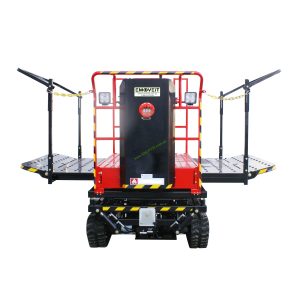
8. Reliability and Build Quality
Durability is essential for continuous operation in demanding environments.
Elk Electric Vehicles
- Heavy-duty frame construction
- Engineered for extreme reliability
- Designed for rough terrain use
- Long operational lifespan
Traditional Tow Methods
- Wear and tear from engine components
- Higher breakdown rates in harsh conditions
- Performance degradation over time
Verdict: Elk Electric Vehicles are built for long-term reliability in challenging environments.
Conclusion: Which Is the Better Choice?
The comparison between Elk Electric Vehicles and traditional tow methods highlights a clear shift toward modern, efficient, and safer material handling solutions.
Elk Electric Vehicles stand out for:
- Superior terrain performance
- Enhanced operator safety
- Reduced environmental impact
- Increased productivity
- Lower long-term operational costs
Traditional methods may still suit low-demand or budget-constrained applications, but they fall short in environments requiring efficiency, safety, and adaptability.
Final Takeaway
For businesses operating in orchards, agriculture, construction, or maintenance sectors, transitioning to Elk Vehicles is not just an upgrade—it’s a strategic move toward safer, more efficient, and sustainable operations.
If your workflow involves navigating difficult terrain, handling repetitive transport tasks, or improving workplace safety, Elk Electric Vehicles provide a clear and measurable advantage over traditional tow methods. Contact us now.